
Clinical Knowledge & Professional Development
PT Documentation Cheat Sheet: Keeping Your Practice on Track
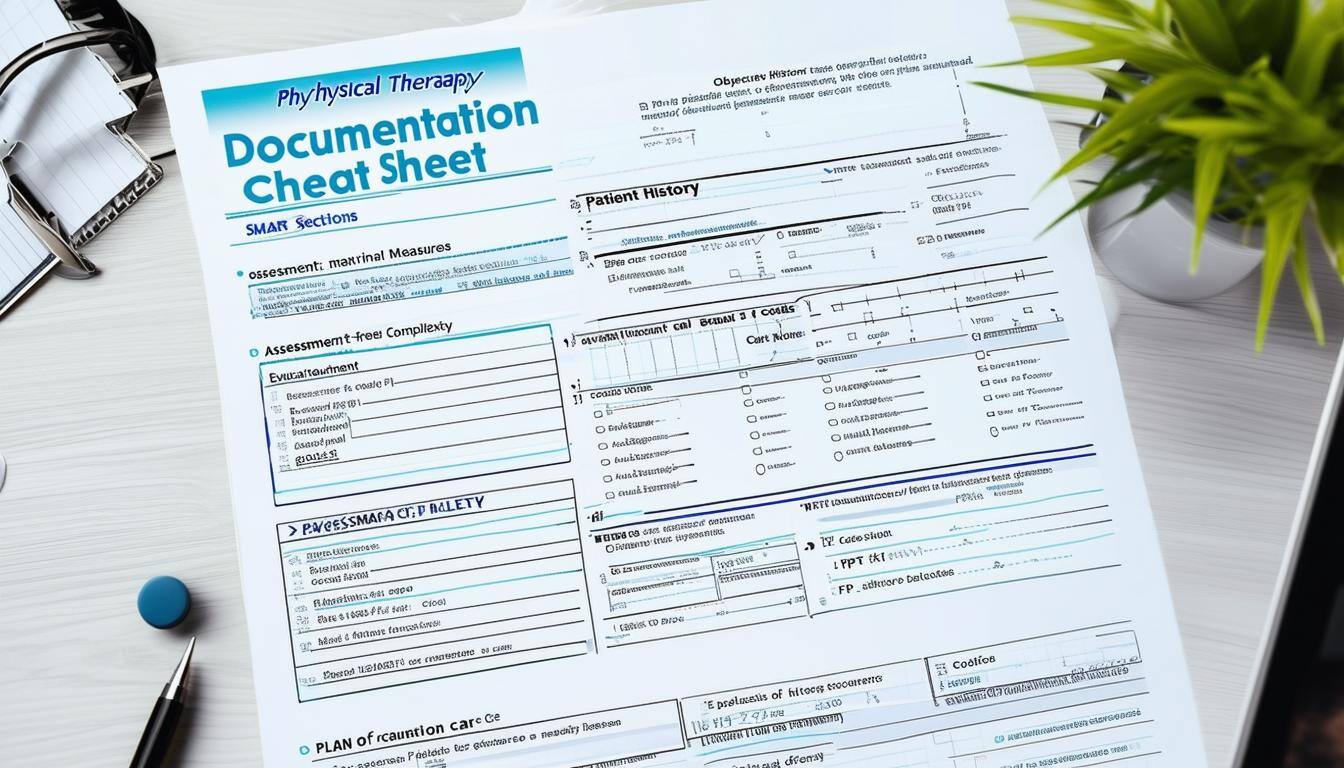
Effective documentation is at the core of successful physical therapy practices. From tracking patient progress to ensuring regulatory compliance, well-documented sessions not only validate the quality of care but also help secure proper reimbursement. Yet, the documentation process can be time-consuming and cumbersome if not approached with the right tools and strategies. This is where a physical therapy documentation cheat sheet can play a crucial role in making the process more efficient.
The Importance of a Physical Therapy Documentation Cheat Sheet
A physical therapy documentation cheat sheet serves as a quick reference guide that helps therapists structure their documentation process more efficiently. By using a standardized template, therapists can ensure that they are including all relevant information needed for evaluations, progress tracking, and treatment justification.
Key Benefits:
- Efficiency: It reduces the time spent on documentation by providing structured formats and examples, enabling therapists to focus more on patient care.
- Clarity: A cheat sheet ensures that all necessary data points are included, from patient history to treatment plans, making the documentation process more thorough and defensible.
- Consistency: Using a standardized format creates consistency across patient records, which helps with compliance and makes it easier to track patient progress over time.
Components of a Physical Therapy Documentation Cheat Sheet
1. Patient History and Subjective Examination
This is where the therapist collects information directly from the patient regarding their primary complaints, symptoms, and medical history. This section should capture:
- Chief complaints (e.g., pain, limited mobility)
- Previous level of function
- Mechanism of injury (MOI)
- Medical and surgical history
- Patient goals
2. Objective Measures
Objective measures are quantifiable data points that provide evidence of the patient's current condition and progress over time. These typically include:
- Range of motion (ROM)
- Muscle strength and endurance tests
- Gait analysis
- Palpation and joint accessory motion testing
- Special tests related to the condition
3. Assessment
The assessment section is where you interpret the subjective and objective findings. This is also where you assign the diagnosis and prognosis for the patient's rehabilitation. A physical therapy documentation cheat sheet helps therapists synthesize their findings into a clear treatment diagnosis.
4. SMART Goals
Setting clear, measurable goals is essential for tracking patient progress. Goals should follow the SMART criteria: Specific, Measurable, Attainable, Realistic, and Time-bound.
Example of SMART goals:
- "Increase knee flexion by 15 degrees within 3 weeks to improve stair-climbing ability."
- "Patient will achieve independent sit-to-stand transfers without pain within 4 weeks."
5. Plan of Care (POC)
The Plan of Care (POC) outlines how the therapist intends to treat the patient. It includes the frequency of therapy sessions, the type of treatments to be provided, and any specific interventions that will help the patient reach their goals.
6. Evaluation Complexity and CPT Codes
Evaluation complexity is categorized into three levels: low, moderate, and high, depending on factors such as patient history, clinical presentation, and decision-making complexity. A therapy documentation cheat sheet helps guide therapists in selecting the appropriate CPT code for billing purposes.
How to Use a PT Documentation Cheat Sheet Effectively
1. Prepare Ahead of Time
Before meeting with a patient, review any existing records or intake forms. Use this time to fill out the patient history and subjective sections of the cheat sheet.
2. Incorporate PROMs
Patient-reported outcome measures (PROMs) are valuable tools for collecting subjective data from the patient. By integrating PROMs into the cheat sheet, therapists can obtain a more holistic view of the patient's condition and needs.
3. Use Digital Tools
Consider using software to digitize your physical therapy documentation cheat sheet. Digital tools not only make it easier to fill out the necessary fields but also ensure consistency and accuracy across patient records.
4. Customize the Template for Your Practice
While most cheat sheets are standardized, you can customize yours to fit the specific needs of your practice. For example, if your clinic specializes in sports injuries, your cheat sheet can include common tests and assessments relevant to that population.
Making PT Documentation Easier and More Streamlined
1. Leverage Automation
Automating parts of your documentation can significantly reduce time spent on note-taking. Look for digital platforms that allow for the use of "pull-forward" fields, where data from a patient's initial evaluation automatically populates future notes.
2. Use Templates for Specific Treatments
If your clinic offers specialized treatments like neuromuscular re-education or gait training, having specific documentation templates for these procedures can save time.
3. Train Your Team
Ensure that all team members are trained on how to use the cheat sheet effectively. The more familiar your staff is with the documentation process, the more efficient they will become.
Streamlining Documentation with PtEverywhere
PtEverywhere's physical therapy EMR software is an excellent tool for integrating and using a physical therapy documentation cheat sheet. It allows you to streamline your documentation process with features that enhance efficiency and accuracy:
- Customizable templates for evaluations and daily notes.
- Automated data entry with pull-forward fields to reduce redundancy.
- Integrated outcome measures (PROMs) for better patient insights.
- Secure cloud storage, ensuring all patient data is accessible and compliant.
With PtEverywhere, you can simplify your documentation workflow, allowing you to spend more time providing quality care to your patients while maintaining defensible and thorough records.
Final Thoughts
A physical therapy documentation cheat sheet is an invaluable tool for streamlining the documentation process in physical therapy. It ensures that all critical information is included, from patient history to outcome measures and treatment plans. By using a standardized template, therapists can save time, improve the accuracy of their documentation, and ensure compliance with regulatory standards.
Incorporating digital tools and automation into your documentation process will further enhance efficiency, allowing you to focus more on what truly matters—providing high-quality care to your patients.